Plumbing & Gasfitting
Plumbing Insurance
For the trade where the pipe is never the expensive part of the claim.
Alberta-licensed brokerage · IBAA member · certificates issued the day they are asked for
Get your plumbing insurance quote
A few details is all we need. Your broker follows up personally, usually within one business day.
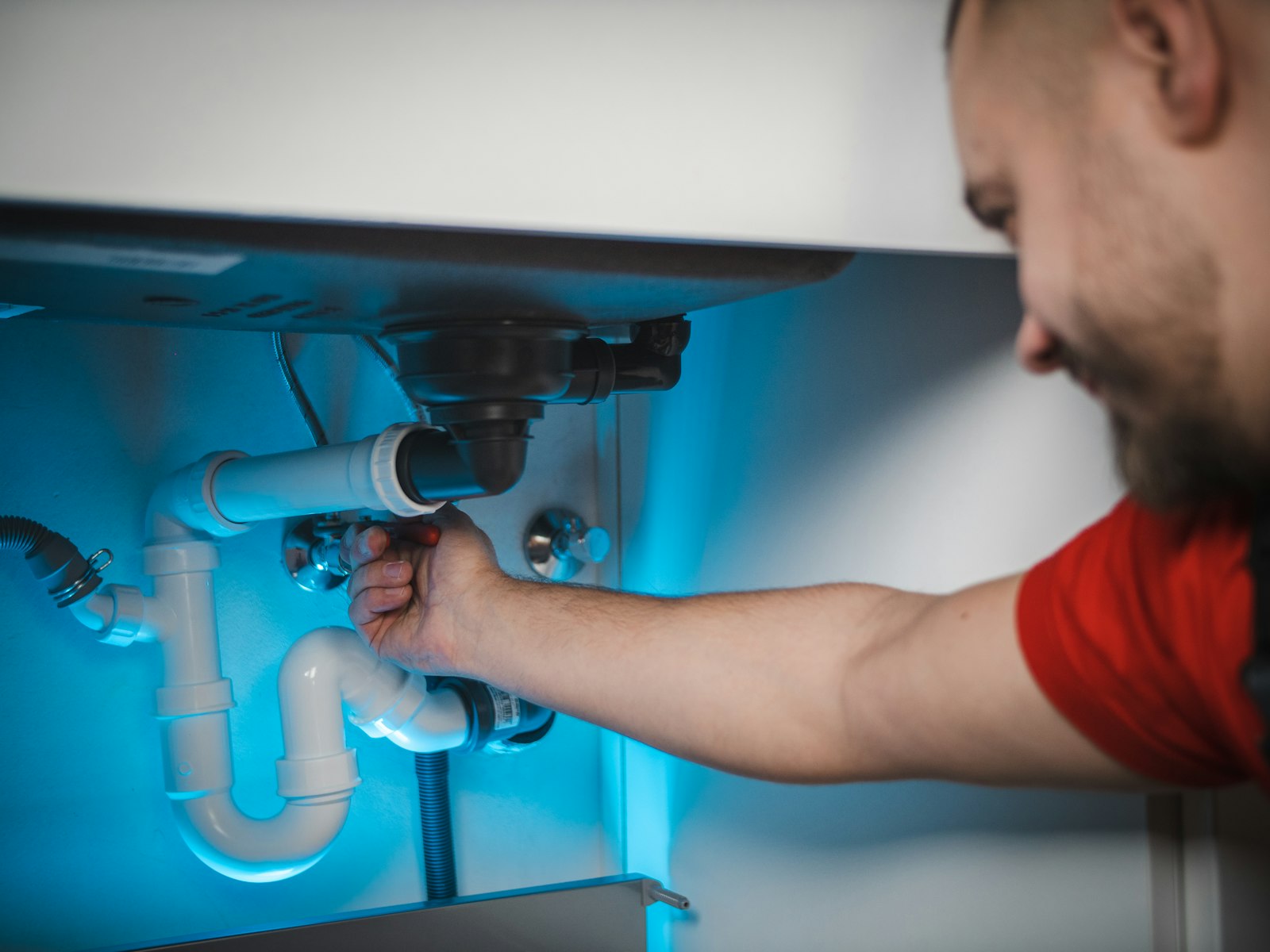
Plumber insurance is built around water going where it was never meant to go. A weeping joint behind finished drywall, a shutoff that fails on a service call, a line charged before a fitting has set, and the damage runs down through every floor below it. General liability covers that damage and the legal defence attached to it, completed-operations coverage keeps working after you have left, and contractors equipment looks after the cameras, locators and press tools that make the work possible. Plumber and gasfitter are both compulsory-certification trades in Alberta under the Skilled Trades and Apprenticeship Education Act, so the ticket gets you the work. The policy is what a general contractor checks before you start it.
The Exposure
Risks you face.
Almost every plumbing claim is a water claim, and almost none of the cost is the pipe. It is the flooring, the ceiling below, and the tenant who had to close.
Escape of water into a finished building
This is the claim that defines the trade. A joint that weeps behind drywall, a supply line charged before it was ready, a failed shutoff on a service call, and water works its way through ceilings, flooring, cabinetry and whatever the tenant below had on the floor. It is rarely the pipe that costs money, it is everything the water touched.
Fire from soldering and torch work
Sweating a joint in a joist bay or a wall cavity puts open flame against old, dry framing. A cavity can smoulder for hours after the crew has packed up, and that is precisely why many general contractors require a hot-work permit and a fire watch before you light a torch on their site.
A winter callout on a building already failing
Alberta cold snaps send you into buildings where lines have already frozen or burst. You arrive to a loss in progress, and the argument over which damage was there before you and which came after starts as soon as the water is off. Clear scope and the right liability coverage keep that argument from becoming your loss.
Damage to the finishes you had to open up
Reaching a line means cutting into tile, hardwood, cabinetry or a finished ceiling. Restoring what you opened is part of the job, but damaging something you did not have to open is a claim.
A joint that fails in year three
Fittings, seals and connections fail long after the invoice is paid, and the resulting water damage lands on the last plumber who touched the system. Coverage for claims that surface after the work is done is what stands between you and a loss you had forgotten about.
Cameras, locators, and jetters off the truck
A drain camera, a line locator, a press tool kit and a jetter add up to more value than most people expect to see in a service truck overnight, and a standard property policy generally will not follow them off your own premises.
The Protection
Coverages we recommend.
Commercial General Liability
The water damage, fire and bodily injury your work causes a third party, along with the defence costs, and it keeps responding to claims that surface after a job is finished. It is the coverage general contractors and property managers ask to see first.
Contractors Equipment
Theft, damage and loss cover for drain cameras, locators, press tools, jetters and power tools, on site, in transit and in overnight storage, where a standard property policy often will not reach.
Commercial Auto
Your service trucks and vans, covered for both liability and damage to the vehicle. Add the tools and fittings inside so a single accident does not take the truck and the kit together.
Commercial Property
Your shop, yard, fixture and fitting stock and leasehold improvements, protected against fire, theft and water damage, whether you own the space or lease it.
Business Interruption
If a covered loss to your shop, stock or key equipment stops you taking calls, this replaces the income and covers the fixed costs.
Coverages shown are general examples, not a description of any specific policy. Policy coverages widely vary and should be confirmed with your broker.
Plumbing, gasfitting, and the certification behind them
Plumber and gasfitter are both compulsory-certification trades in Alberta under the Skilled Trades and Apprenticeship Education Act, meaning the skilled work can only be done by a certified journeyperson or a registered apprentice under supervision. Many Alberta plumbing companies hold both tickets because the same customer needs both. Certification is not insurance and does not stand in for it, but the scope it covers should match the scope on your policy. A program written on the understanding that you only run water is not the program you want when the claim involves a gas appliance connection.
Why plumbers choose Velocity
We build plumbing programs around the buildings you enter. A one-storey service business and a company running risers in multi-unit residential face very different water losses, and the limit that suits one is thin for the other. We also talk through the workmanship boundary before you need it, so the first time you hear how it works is not on the phone during a claim.
How Pricing Works
What drives your premium
- Service work versus new constructionService and repair puts you into occupied, finished buildings where the water damage potential is highest, and it is rated differently from rough-in on a new build where there are no finishes to ruin yet.
- Residential, commercial, or multi-unitA single-family basement and a twelve-storey riser are not the same exposure. In a multi-unit building one failed connection can damage a stack of suites at once, so the buildings you work in set the limits you need.
- Hot work and torch useHow much of your joining is done with an open flame rather than press or mechanical fittings is a direct fire-exposure question, and it is one underwriters ask.
- Gasfitting and appliance workAdding gas lines and appliance connections to your scope adds a distinct exposure to the policy, and the certification behind it is part of how the risk is assessed.
- Revenue and crew sizeMore revenue and more trucks mean more connections made in a year, and the exposure scales with the count.
- Tool, camera, and truck valuesThe replacement cost of your cameras, locators, jetters and the vehicles they live in sets the equipment and auto side of your premium.
- Claims history and coverage limitsPast water-damage claims are the ones that move a plumbing premium most. The higher the limit the higher the price, and the higher the deductible the more of the claim you absorb yourself.
Common Questions
Questions ownersreally ask.
A joint I installed let go and flooded the unit below. Is that covered?
The water damage to the building and to other people’s property is the case commercial general liability is built for, along with the defence costs that come with it. What the policy is not is a warranty on your own work, so redoing the joint itself generally sits with you while the damage the water caused is the insured part. That split is the single most useful thing to understand about a plumbing policy.
Is escape of water the same thing as flood coverage?
No, and the distinction matters. Escape of water is water coming out of a system inside the building, which is the damage your work can cause. Flood is water arriving from outside. Your liability policy is concerned with the first, and property policies treat the second as a separate question entirely.
Do I need anything special because I use a torch?
Not a separate policy, but it changes how your risk is assessed and how you are expected to work. Hot work in an occupied building is a real fire exposure, and general contractors commonly require a hot-work permit and a fire watch for a set period after the flame goes out. Following those requirements also keeps a fire claim from turning into an argument about whether you met the terms you agreed to.
I do gasfitting as well as plumbing. Does one policy cover both?
It can, but the gas side has to be disclosed and rated rather than assumed. Gasfitting brings its own exposure, and a policy written on the understanding that you only run water is not the policy you want when the claim involves an appliance connection. Tell us the full scope and we will build it in.
Are my drain camera and jetter covered if the truck is broken into overnight?
That is the job contractors equipment coverage does. It follows your tools and portable equipment on site, in transit and in overnight storage, which is where a standard business property policy usually stops. Given what a camera and a jetter cost to replace, it is rarely worth leaving out of a plumbing program.
How much does plumber insurance cost in Alberta, and how fast can I get covered?
There is no flat rate. Price follows the buildings you work in, the share of service versus new construction, your revenue and crew, whether you gasfit, and the limits your contracts require. We build the program around how you operate, and most plumbers go from first conversation to bound coverage within a few business days, with certificates issued as soon as they are asked for.
Built for the buildingsthe water runs through.
Tell us the buildings you work in, your mix of service and new construction, and whether you gasfit, and we will size the coverage to the water damage your work could cause.
Not ready to switch? Book a 15-minute coverage review instead
Related
Go deeper
8 pages
Related
Go deeper
Other trades we cover
Plumbing Insurance by city