Property Managers & Condo Boards
Condo Corporation Insurance
Cover for the corporation, the common property and the board, built for the managers who run it.
Get your condo corporation insurance quote
How do you prefer to work through your insurance?
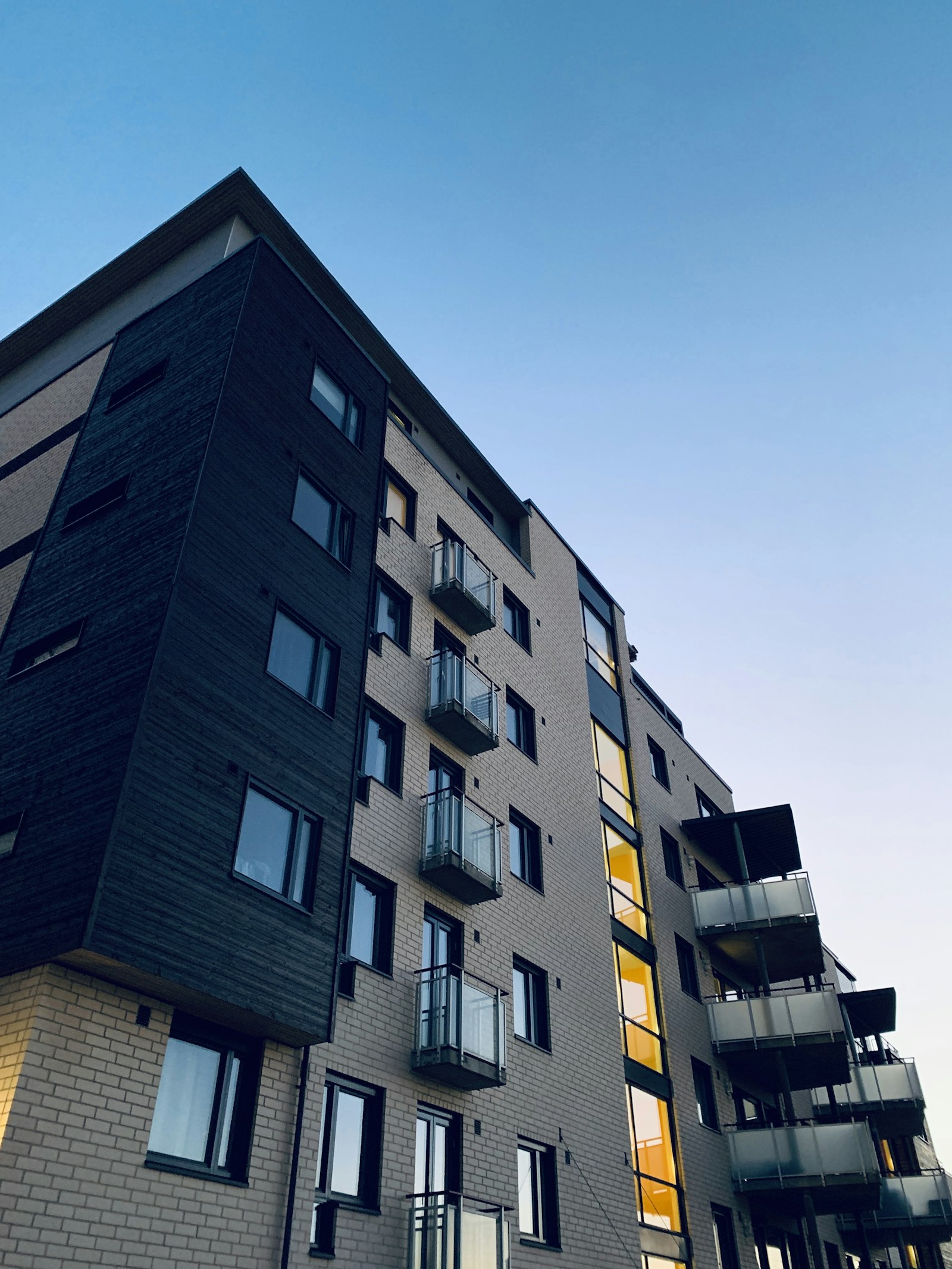
Condo corporation insurance is the policy every condominium corporation must carry in Alberta. It covers the units and common property the corporation insures, at replacement cost, and the liability attached to the common areas. Around that sit directors and officers coverage for the board, equipment breakdown for the building’s systems, and crime coverage on the funds. Under the Condominium Property Act the corporation, not the individual owners, insures the building. How the policy is structured, and where the water deductible sits, matters to every board and owner. Velocity partners directly with Alberta property managers, and the boards they report to, to place and service these programs across a portfolio.
The Exposure
Risks you face.
A condominium corporation insures a shared, owner-occupied building on behalf of dozens of people. Its exposures span the structure, the board, and the line between corporate and owner responsibility.
Water damage and rising deductibles
Escape of water, a burst pipe or an overflowing appliance, is the leading condominium claim in Alberta. Insurers have pushed water deductibles up sharply, often into the tens of thousands. For a property manager, keeping that risk in check and choosing where the condo corporation’s deductible sits has become one of the hardest calls at renewal.
The deductible charged back to an owner
Under the Condominium Property Regulation, when a claim starts in an owner’s unit, that owner can be held responsible for the condo corporation’s deductible, up to a maximum of $50,000. Owners who do not carry their own coverage are exposed, and so is the condo corporation, and the manager fielding the dispute, when they cannot pay.
The gap between the condo corporation and the unit
The Standard Insurable Unit Description, the list set in the bylaws of what the condo corporation’s policy covers inside a unit, sets that line. Anything an owner has added beyond that standard is theirs to insure, and the manager is usually the one explaining the split to owners after a loss.
Claims against the board
Volunteer directors make decisions about money, maintenance and enforcement. Owners can name them personally when they disagree. With no directors and officers coverage, board members risk their own assets to serve, and managers find it harder to recruit and keep a functioning board.
Underinsurance at replacement cost
The Act requires the building to be insured at full replacement value, but rising construction costs can leave a condo corporation underinsured without anyone noticing. After a major loss the gap falls on the owners through a special assessment, and the manager wears the fallout.
Theft or fraud involving condo corporation funds
Condo corporations hold operating and reserve funds that pass through managers and boards. Theft and fraud are real exposures. A loss to the reserve fund can set a building’s capital plan back years. Segregation of duties and crime coverage both matter to any manager handling the money.
The Protection
Coverages we recommend.
Commercial Property (Replacement Cost)
This insures the building, the common property and the units to the Standard Insurable Unit Description at full replacement cost. It is the core coverage the Condominium Property Act requires of every condo corporation. On the older buildings in a portfolio, coverage that helps rebuild to current building codes is worth adding.
Commercial General Liability
Injury or property damage to a third party arising from the common areas, meaning slips on walkways and in lobbies, injuries in amenity spaces, and parking areas. Every condo corporation policy in the province is expected to carry it.
Directors & Officers Liability
Protection for the personal assets of the volunteer board against claims arising from their decisions, from finances and maintenance through to bylaw enforcement, which is what makes it safe for owners to serve and easier for a manager to keep the board seats filled.
Equipment Breakdown
The sudden failure of boilers, HVAC, elevators and building systems, plus the damage that failure causes, all of which a standard property policy leaves out.
Crime / Fidelity
The condo corporation’s operating and reserve funds, protected against theft, fraud and forgery, including by a manager, board member or employee handling the money.
Umbrella / Excess Liability
Extra liability limits stacked on top of the primary policy, giving larger condo corporations the higher limits their size, amenities and lender requirements call for.
Coverages shown are general examples, not a description of any specific policy. Policy coverages widely vary and should be confirmed with your broker.
How the coverage fits Alberta’s condo rules
Condo insurance in Alberta is shaped by the Condominium Property Act and its Regulation. The corporation must insure the units and common property at full replacement value, plus liability. Each corporation also adopts a Standard Insurable Unit Description, which sets what its policy covers inside a unit. Anything beyond that standard is insured by the owner. When a claim starts in an owner’s unit, the Regulation lets the corporation charge its deductible back to that owner, up to a maximum of $50,000. The owner is not on the hook where the loss came from a construction defect, an act or omission of the corporation, or normal wear on the building. That $50,000 exposure is exactly why every owner needs their own unit policy. Separately, every corporation must keep a reserve fund study updated at least every five years for capital planning. And since December 1, 2021, condominium managers must be licensed by the Real Estate Council of Alberta. We help managers and boards line the corporation’s coverage up with all of it.
Why property managers choose Velocity
We work directly with condominium managers and boards, not around them. We understand the Standard Insurable Unit Description, the deductible-chargeback rules, and rising water deductibles. We help boards see clearly where the corporation’s policy ends and unit-owner policies begin. And we issue the certificates, summaries, and lender documentation managers need, so owners, lenders, and buyers stay informed without anyone chasing paperwork.
How Pricing Works
What drives your premium
- Building value & replacement costThe Condominium Property Act requires the condo corporation to insure the building and common property at full replacement value, so a larger or higher-spec building costs more to cover.
- Age & construction typeOlder buildings and their aging plumbing, wiring and roofs cost more to insure than newer builds with modern materials and systems.
- Units & amenitiesMore units and shared features such as elevators, underground parking, a pool or a gym add exposure and raise the premium.
- Water-damage & claims historyEscape of water is the leading condo claim in Alberta, so past water losses and an overall claims record are the single biggest driver of your price.
- Condo corporation deductibleA higher deductible lowers the premium but raises what the condo corporation, and through chargeback an owner, pays on a claim.
- Directors & officers exposureThe size of the board, the funds it manages and its enforcement decisions shape the cost of protecting the board against claims.
- Location & local hazardsExposure to hail, wildfire or flooding in the building’s area affects the premium.
Common Questions
Questions ownersreally ask.
What insurance is a condo corporation required to have in Alberta?
Under the Condominium Property Act, the condo corporation must insure the units and common property it is responsible for at full replacement value, and carry liability coverage for the common areas. Most condo corporations also carry directors and officers coverage, equipment breakdown and crime coverage, which are standard practice rather than strict legal requirements.
Can a condo corporation charge its insurance deductible back to a unit owner?
Yes. Under the Condominium Property Regulation, when a claim starts in an owner’s unit or exclusive-possession area, that owner can be held responsible for the condo corporation’s deductible, up to a maximum of $50,000. The owner is not responsible where the loss came from a construction defect, an act or omission of the condo corporation, or normal wear on the building. Because that amount can be large, every owner needs their own unit policy to cover it. Managers should make sure owners know that.
What is a Standard Insurable Unit Description (SIUD)?
It is the description, set out in the bylaws, of the standard fixtures and finishes the condo corporation’s policy covers inside a unit. Anything an owner has added or upgraded beyond that standard is their own to insure. Because the SIUD differs from one condo corporation to the next, managers and owners should check their own corporation’s to know exactly where the line sits.
Why have our condo insurance deductibles gone up so much?
Escape of water is the leading condominium claim in Alberta, whether that is a burst pipe, an overflowing appliance or a failed hot-water tank. Insurers have responded by raising water deductibles substantially, often into the tens of thousands of dollars. Managing that water risk and choosing the right deductible is now central to a condo corporation’s renewal. It is one of the main things a manager and broker work through together.
Do property managers of Alberta condos need to be licensed?
Yes. Since December 1, 2021, condominium management has been a licensed activity in Alberta, regulated by the Real Estate Council of Alberta. Condo corporations that self-manage, and their own employees, are exempt, but a company providing condo-management services must be licensed.
How often does a condo corporation need a reserve fund study?
A condo corporation must get a reserve fund study from a qualified provider and update it at least every five years, with a first study required not long after registration. The study plans for major repairs and is separate from insurance. An underfunded reserve and a large uninsured deductible are a bad combination, so the two are best planned together.
Does the condo corporation’s policy cover what’s inside a unit?
Only up to the Standard Insurable Unit Description. An owner’s contents, any improvements beyond the standard, and the deductible the condo corporation may charge back to them are covered by a unit-owner condominium policy, not by the corporation’s. A good manager and broker make sure owners understand that split before a claim, not after.
We manage several condo corporations. Can Velocity handle a whole portfolio?
Yes. We work with Alberta property managers day to day, placing and renewing coverage across the condominium corporations they manage, benchmarking deductibles, turning around certificates and mortgagee requests, and briefing boards at renewal. You get one broker who knows your portfolio, not a different contact for every building.
Built for the corporation,the building, and the board.
Give us the corporation, the building and the board, and we’ll review the coverage against Alberta’s condo rules and your bylaws, then work with you at renewal. This is a program built for the managers and boards who run them.
Not ready to switch? Book a 15-minute coverage review instead
Related
Keep exploring
17 pages
Related