Velocity Insurance All Posts
← All Posts

Commercial Insurance

Your Materials Are Covered in the Shop. Are They Covered on the Way to the Job?

Your Materials Are Covered in the Shop. Are They Covered on the Way to the Job?

When I go through a contractor's insurance with them, I always ask where their materials sit between the supplier and the finished install. Most owners have thought carefully about their liability and their trucks. Far fewer have thought about the furnace riding in the trailer, or the siding stacked in a client's driveway for three nights while the crew works through it.

Stock sitting in your shop is normally covered under the contents section of your commercial property policy, at the address shown on that policy. Once it leaves that address, most commercial property policies provide little or no coverage, and any transit extension they do carry tends to have a modest limit that is rarely sized for a full job's worth of material.

An installation floater picks up where the shop coverage stops. Floater is the industry's word for coverage that travels with the property, and this one follows the materials you will be installing from the time they leave your premises, through the drive and any days on site, until the work is installed or accepted, depending on the wording.

Even a same-day install has real exposure. A collision on the Henday can write off the load along with the truck. A trailer left outside a restaurant at lunch is an easy target, and material on site stays exposed to theft and fire until it is in the wall. Your auto policy will not fill that hole, because the Alberta standard owner's automobile policy covers the vehicle and specifically excludes the contents of trailers. Your liability policy pays for damage you cause to other people's property, not for replacing your own.

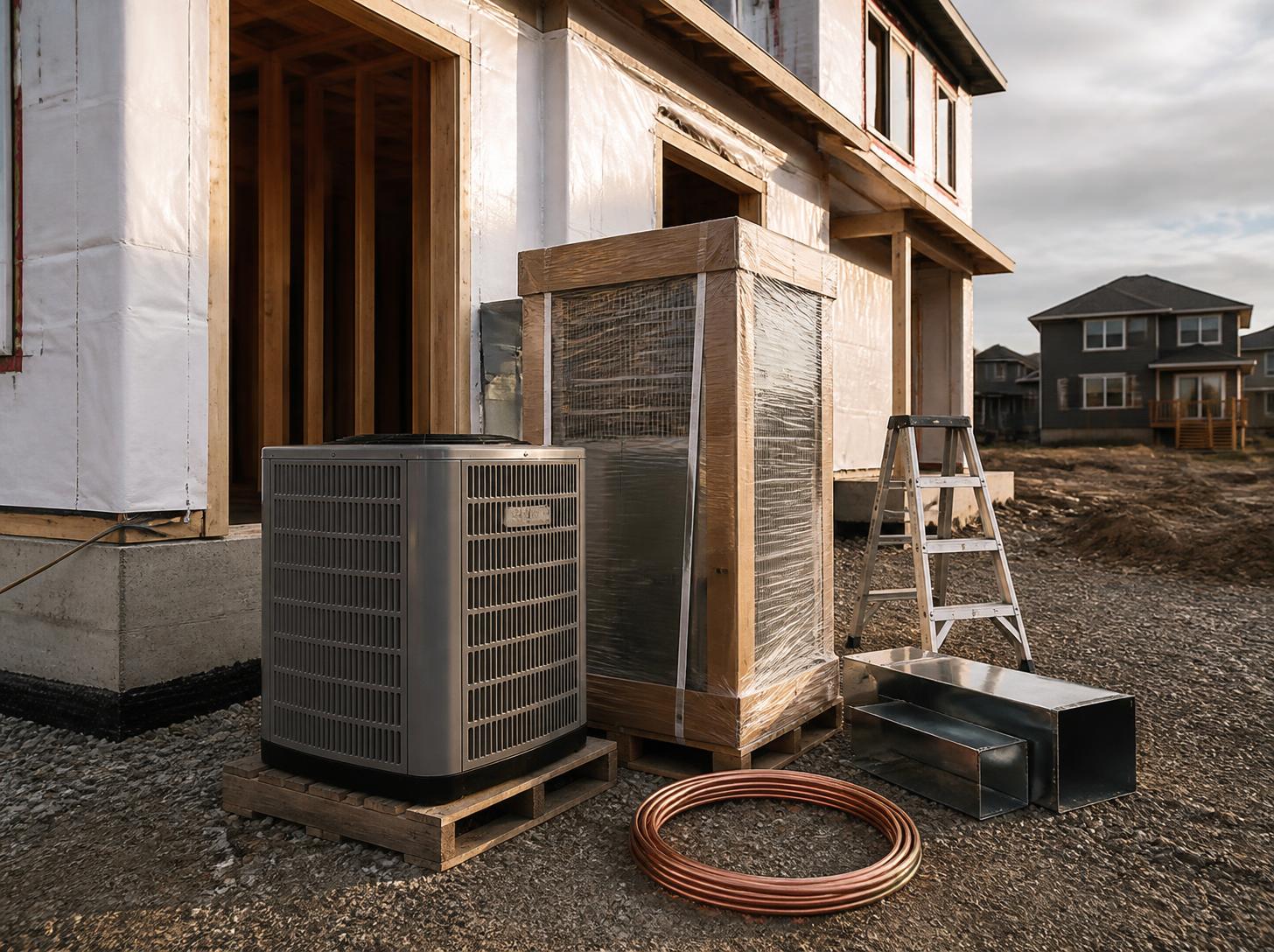
Some trades feel this more than others. An HVAC contractor hauling a furnace, a condenser and ductwork can have more value in one trailer than a painter goes through in a month, and siding and window installers often work through a delivered order over several days, which means several nights of exposure. Electricians, plumbers, flooring and cabinet installers supply and install too. The more your materials are worth and the longer they sit away from your shop, the more this coverage matters.

Many trades also assume the general contractor's builder's risk policy covers everything on site. Sometimes it does, but it may not reach materials still in transit, and plenty of renovation jobs have no builder's risk policy at all.

If you want to know whether your materials are protected from your shop to sign-off, send me your policy and a rough idea of what you usually have on a trailer or a site at one time. I work with contractors across Alberta and I am happy to walk through it with you.

Mandy Stierman, Founder and Principal Broker

Velocity Insurance Inc.  |  www.velocityinsurance.ca

Common questions

Common questions.

What is an installation floater?

An installation floater covers the materials and equipment you are going to install, from the time they leave your premises, through transport and any time stored at the job site, until the work is installed or accepted, depending on the wording. Floater is the industry's word for coverage that travels with the property instead of staying at one address. It is built for trades who supply and install, such as HVAC, siding, window, electrical and plumbing contractors.

Isn't the stock in my shop already covered?

Usually, yes. Stock in your shop is normally covered under the contents section of your commercial property policy, at the address shown on that policy. Once it leaves that address, most commercial property policies provide little or no coverage, and any transit extension they carry tends to have a modest limit. Installation floaters typically exclude property at your own premises, so the two coverages work together rather than overlapping.

If I install the same day, do I still need an installation floater?

Even a same-day install has exposure. A collision can damage the load along with the truck. A trailer left in a parking lot over lunch is an easy target, and once on site the material stays exposed to theft and fire until it is installed. Your auto policy will not cover it, because the Alberta standard owner's automobile policy covers the vehicle and its equipment and specifically excludes the contents of trailers. Your liability policy pays for damage you cause to others, not for replacing your own materials.

Doesn't the general contractor's builder's risk policy cover my materials?

Sometimes it does, but not always. A builder's risk policy may not reach materials still in transit or stored off site, and plenty of renovation jobs have no builder's risk policy at all. Even when one does respond, some contracts pass a share of its deductible down to the trades. If you are relying on someone else's policy, ask what it covers before your materials arrive on site.

Does an installation floater cover my tools?

No. Installation floaters typically exclude contractor's tools and equipment, because they are written for the materials that become part of the finished job. Your tools belong on a tool floater, which has its own limits and conditions worth understanding.

installation floatercontractors insuranceHVAC contractorsiding contractormaterials in transitbuilders risktradesAlberta